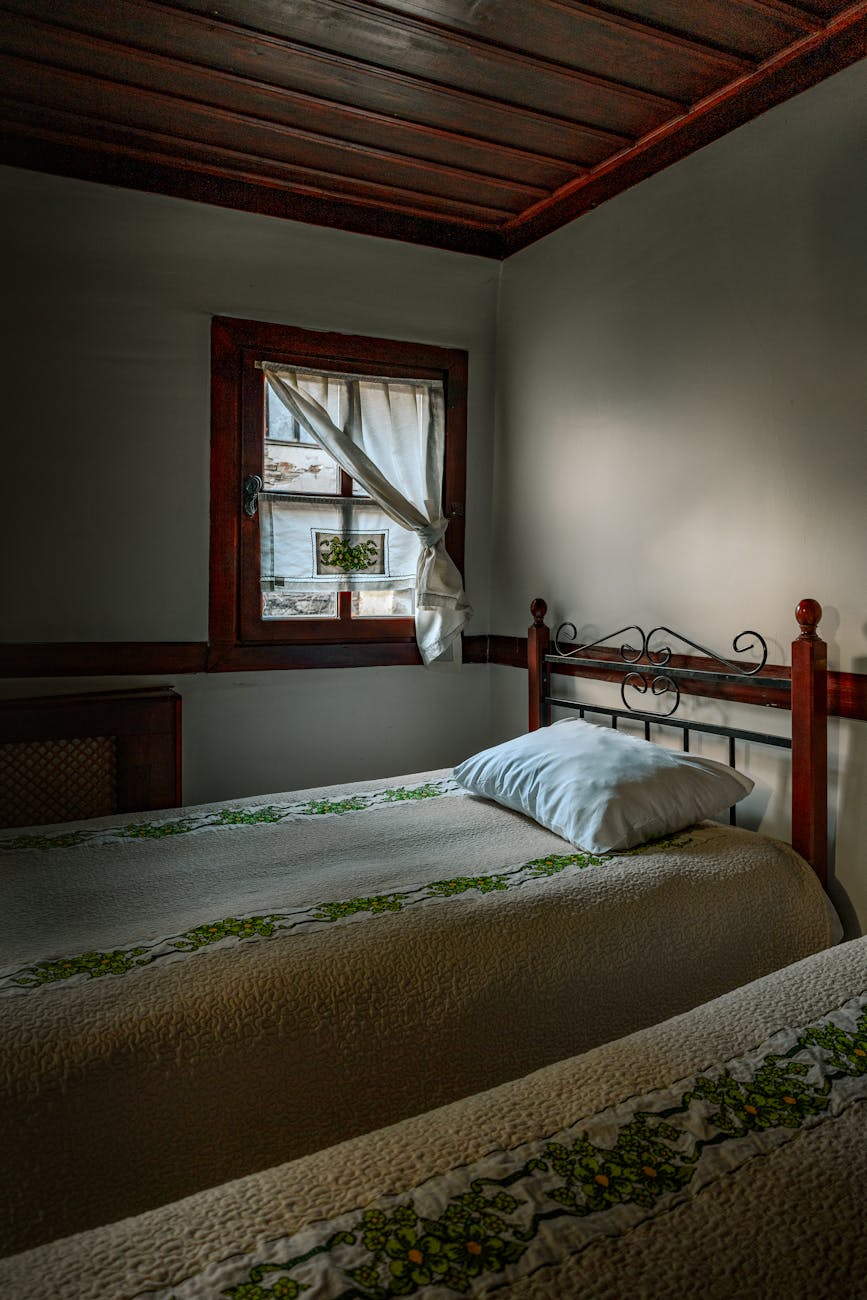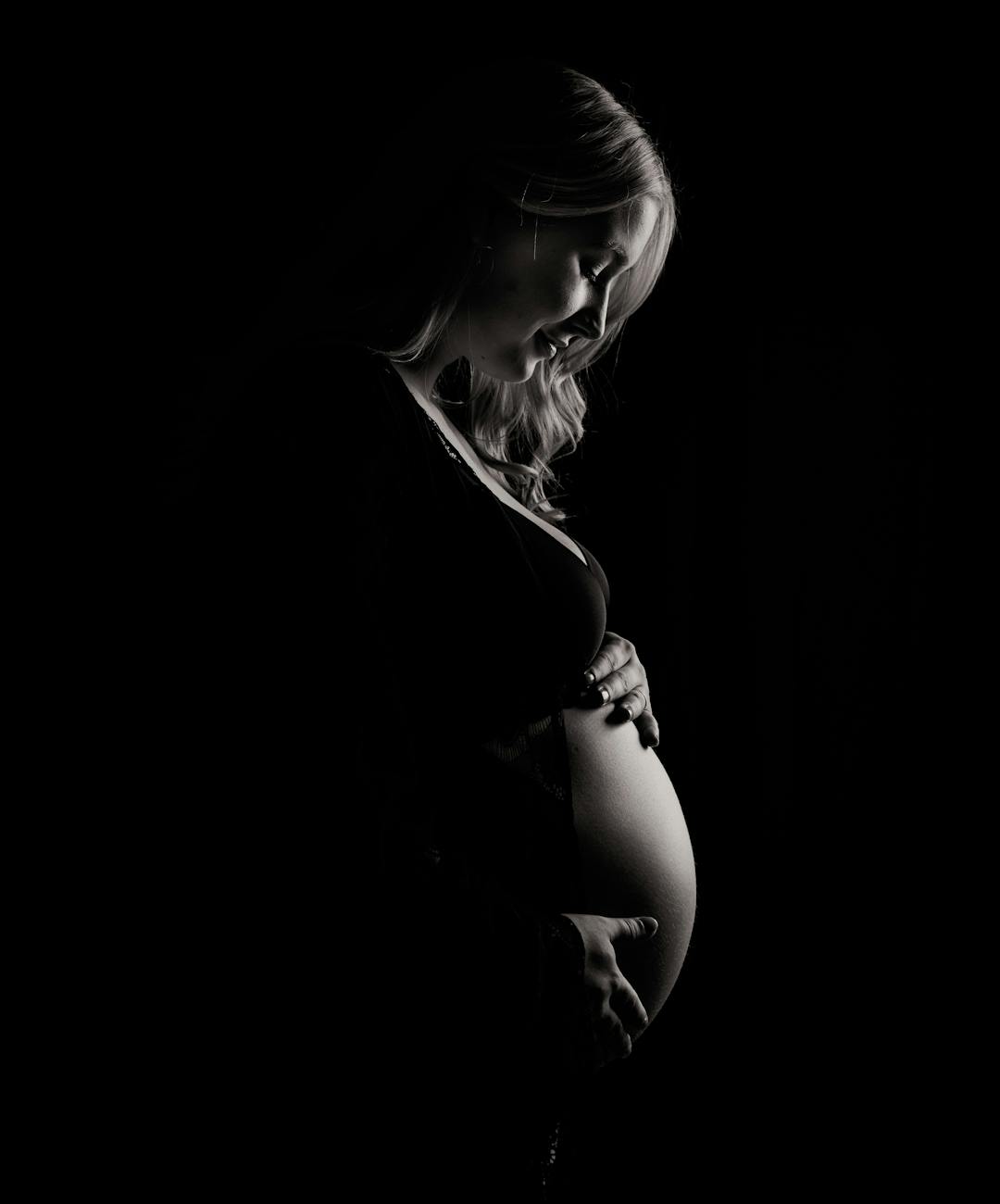
The damp patch on the bedroom ceiling of Libby’s flat is shaped like a heart. She watches it grow, night by night, as her child grows in her belly.
The heart becomes deformed. It grows cankers, extends its veins and arteries across the ceiling. The baby begins to kick as the spread increases. The growing infant rails against the intruder.
Libby asks her landlord to do something, but she doesn’t respond to her emails. Libby contacts Citizen’s Advice. They tell her to speak to her landlord. The landlord still doesn’t respond. Libby starts sleeping on the sofa in the sitting room.
She visits Citizen’s Advice again. They ask her, could the baby’s father help?
She buys a bar of milk chocolate with the little money she has left. Libby picks up every coin she sees. She only once got caught out, when some engineering students had glued a pound coin to the pavement outside their building for a joke. Sometimes charity shops don’t check donated items thoroughly enough. Last time Libby visited one of the better Oxfams, she made eight quid.
Sitting on a bench in the park, she sucks each rectangle of chocolate slowly. She can make it last half an hour if she has to. Taking a notepad out of her bag, she goes through her incomings and outgoings for this month. Her phone vibrates with a message from the baby’s father. No, he doesn’t want to be there for the birth. No, he’s not interested in seeing a picture of the most recent scan.
The panic of doing this on her own rises at the back of Libby’s throat, and she swallows it down with the minuscule sliver of chocolate.
She exits her texts, and busies herself with responding to emails from work clients. One is from the CEO of a designer nursery company. She’s so grateful to Libby for her work on branding the Tiny Treasures Preemie Range that she’d like to gift her the Deluxe City-Go Pushchair in Urban Granite, complete with matching change bag and cup holder! And could Libby maybe hashtag the company on Instagram when she posts it?
The CEO is the same age as Libby and the same number of weeks pregnant, but her home isn’t rotting from the inside with a swollen heart of damp. Her home has a swimming pool.
Libby double-checks the price of the pushchair so she can list it on Vinted. She’s already got a second-hand pram from Facebook Marketplace.
Opposite the park is an end terrace house with a blue sign above it reading ‘David Byrnes MP’. Libby has never liked the scribbly tree that is the party logo, but then she’s never particularly liked their politics, either.
An impulse seizes her and she hastily wraps the chocolate bar away and stuffs it into her bag. She heaves her six month pregnant belly up from the bench, crosses the road and heads for the office.
Once inside, Libby realises her mouth is still full of cheap chocolate. It’s so dry she can’t swallow it. The MP is talking to a constituent on the phone and his voice is one of those Libby finds herself lapsing into when dealing with higher-end clients. She realised early on that companies who make rose quartz chandeliers for boutique hotels don’t want their brand identity handled by someone whose accent was shaped by seventeen different foster placements instead of seventeen generations of heraldry.
But Libby has never met anyone in real life who has that voice. She forces herself to swallow hard.
David Byrne MP sees her come in and smiles. He gestures to a seat for her to wait in, and as Libby listens to him pacify the irate constituent on the other end of the phone, she can almost picture the boarding school he attended. It’s the ingrained confidence that seems to go hand-in-hand with a double or even triple-barrelled name that he dropped to appear more relevant to voters.
His voice is nothing less than 70% ethically-sourced cocoa solids, not choking on a 60p Dairy Milk that the shopkeeper sells out of a multipack.
When Libby tells him about her living situation, he’s by turns sympathetic and horrified.
Nobody should live in conditions like that, let alone an expectant mother.
How many weeks along are you?
Boy or girl?
Have you and your partner decided on a name?
Oh, I’m sorry to hear that. Do you have other family to support you?
Did you go to school round here?
What do you do for work?
It’s nearly midday; shall we pop to the cafe round the corner and we can discuss your situation further?
David goes into his office to get his jacket and keys and Libby notices the stack of pens in a mug on top of the filing cabinet. For the first time in a long time, she doesn’t feel the impulse to steal.
He takes her to a cafe round the corner that Libby used to peer into when she was in high school. Foster Mum Number Seventeen’s house is at the other end of the street but Libby hasn’t seen her in years.
She remembers how she used to stay late at art club then catch the 5:40 bus home because by then, the cafe’s lights would be on. The wood-panelled walls would be bathed in a soft amber glow, and if you walked past the door at the right time, you would catch the smell of coffee and expensive pastries drifting out on the breeze. Libby would daydream about taking her sketch pad and charcoal and dashing off dazzling portraits of the regulars there, who would all become her intimate friends. Then she would go back to a home and a bedroom that wasn’t hers, and try to draw the garden shed from the bedroom window for her art homework.
David holds the door open for Libby and is greeted by the waitress behind the counter. A cloud of icing sugar hangs in the air, bitingly fresh. Libby orders a hot chocolate, explaining that she’s watching her caffeine intake because of the baby, and David insists on paying. He discreetly drops several pound coins into the already-overflowing tips cup on the counter. Libby notices, as he does this, that he’s wearing worn-looking gold cufflinks bearing a faded family crest, and that he’s not wearing a wedding ring.
David asks Libby a few more questions about her flat, her landlord, and what help she’s been offered already. He makes notes with a Montblanc fountain pen, the kind the company’s clients use to sign their contracts while Libby’s working overtime to scrape together enough money to cover her maternity leave. David assures her that as her MP, he will find a solution to this problem by the end of the week.
The hot chocolate comes and Libby is momentarily taken aback by its tar-like consistency. It brims with cinnamon, and there’s a candied chilli pepper on the saucer beside the cup. Libby jokes that she’d better avoid it if she doesn’t want to go into early labour. David laughs and comments that it’s the best hot chocolate he’s ever tasted and reminds him of the ones he had when he was travelling in South America during his gap year. Libby’s brain goes into overdrive searching for something fascinating to say about South America, lands on knowing that the stringed instrument at the start of ‘Despacito’ is a Puerto Rican cuatro, and prays that David won’t actually want to discuss Latin American music with her.
They make small talk about how nice the cafe is. Libby knows that a person like David is used to more than small talk, so she remarks that it reminds her of ‘Nighthawks’ by Edward Hopper. This delights David, who asks her if she’s a fan of Hopper’s work. Libby says yes; then, without thinking, she blurts out that she loves the starkness and the loneliness of Hopper. David seems taken aback by this, but more than that, her comment unsteadies him, and lands on the seven year-old boy whose parents left it to Nanny to say their goodbyes on the morning he was sent away to school.
David reddens suddenly, the flush spreading up from his throat and radiating the scent of a bar of Italian vetiver soap that costs as much as Libby pays for soap in a year; he clears his throat – there’s a screening of a film about Hopper’s art at the restored Rialto Cinema on Argyle Street next week; will she be going? Libby says she might, if work’s not too busy. Maybe he’ll see her there, he stammers, and for a moment, his politician’s confidence is transfigured into hopeful uncertainty and Libby knows that despite the fact she’s six months pregnant with the child of a man who decided to stay with his girlfriend after all, this nice, shy, old-fashioned man likes her and would probably make her feel more safe and loved than she’s felt her whole life.
Libby excuses herself to go to the toilet, and David stands up when she leaves, then again when she returns. She thought stuff like that only happened in the period dramas her first foster mother watched obsessively.
When she comes back from the loo, he’s bought them some more drinks and some pastries to share. He asks if she’d like to sit at the table at the other end of the counter as it’s out of the draught of the door. The pastries are still hot from the oven, not like the deflated yellow-stickered supermarket croissants Libby tells herself are a treat every payday, and with each bite of the shared apricot danish, pain au raisin, and cinnamon swirl, Libby swallows down more and more of her self-consciousness.
And David doesn’t ask Libby for her opinions on Latin American music. He asks her what music she likes, what films and books she likes. Libby’s no longer thinking about her accent, or where she went to school, or the fact that she doesn’t actually know where her mum is now, or the exact number of half-siblings she has. For the first time in her life, Libby is talking to someone who enjoys listening to what she has to say.
Her phone buzzes with a reminder about her midwife appointment and they’re shocked to realise they’ve been chatting for nearly two hours. They say goodbye, and Libby makes a mental note to Google the name of the Edward Hopper film when she gets home.
When she arrives at the Rialto the following week, she’s coming straight from the brand new, warm, safe flat that the council have moved her into. David’s already waiting for her. He went to the cafe first, and he bought her a hot chocolate.
Frances Mulholland lives and writes in Northumberland. Her work has been published in Fragmented Voices, Mslexia, The Manchester Review, and Litro, among others. Her debut chapbook, ‘Indifferent Deserts’, was published by Bottlecap Press in 2022. A graduate of Newcastle University’s Creative Writing MA programme, she is also Writer-in-Residence at a local school, where she teaches English and Creative Writing.